
SBN · Understanding and comparing stone
Travertine and limestone: how they are related
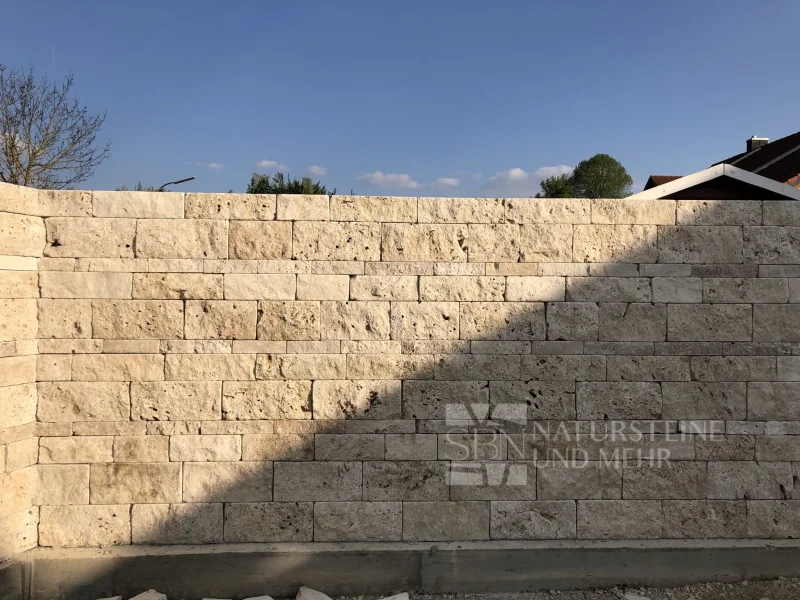
Travertine belongs to the limestone family. The two names do not describe completely unrelated materials, though individual products can look and perform very differently.
How travertine forms
Calcium carbonate precipitates from water, for example as carbon dioxide is released. Formation conditions influence layers, colours and characteristic pores. Not every limestone has travertine’s structure.
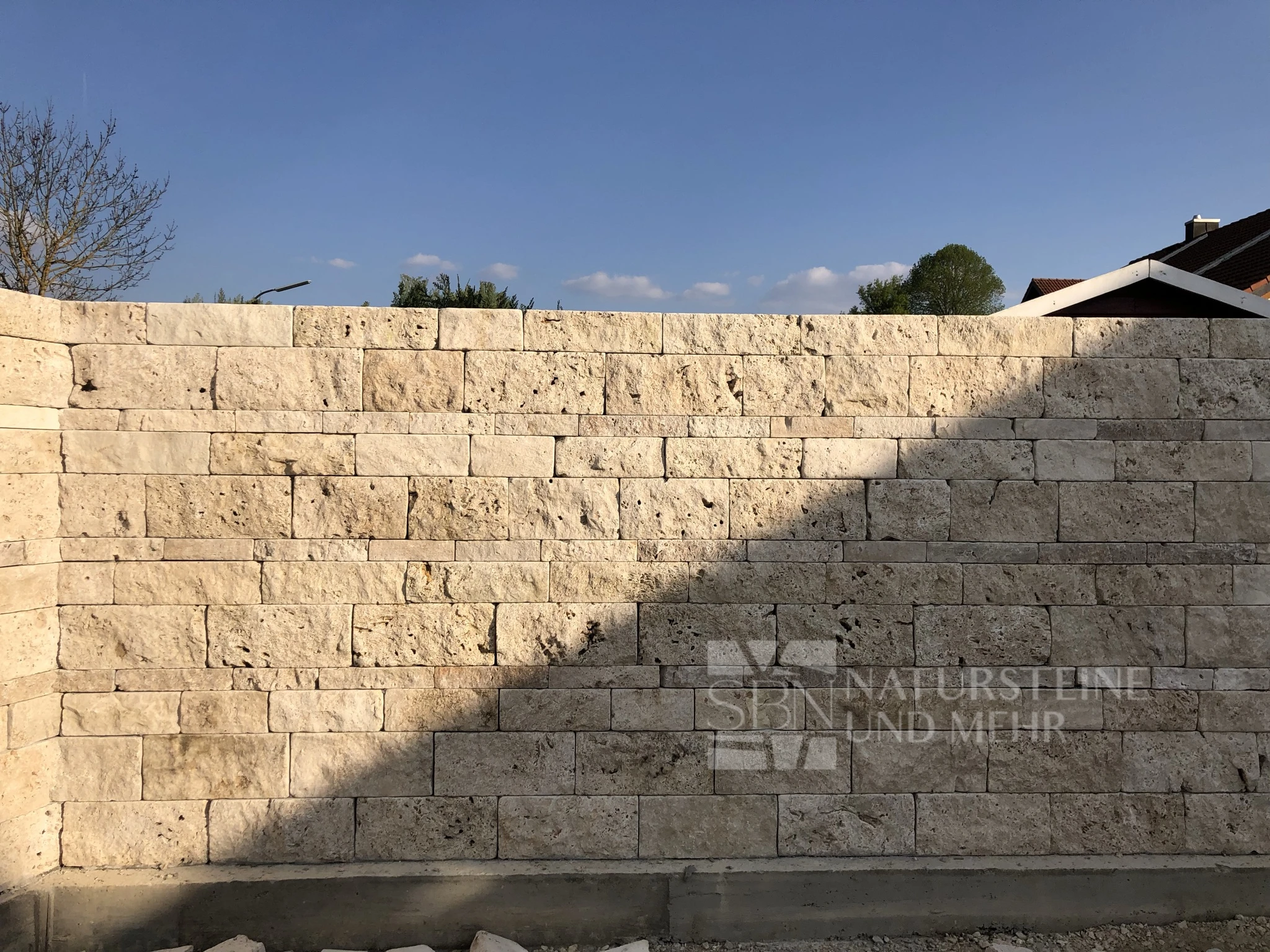
Open or filled pores
Processing and pore filling also change the finished surface. Compare actual products rather than the rock name alone. Confirm the intended use and maintenance guidance for the particular finish.
Caring for calcareous stone
Acids can damage the surface. Remove spills promptly and use compatible cleaning products. Impregnation can reduce absorption but does not make travertine acid-resistant.
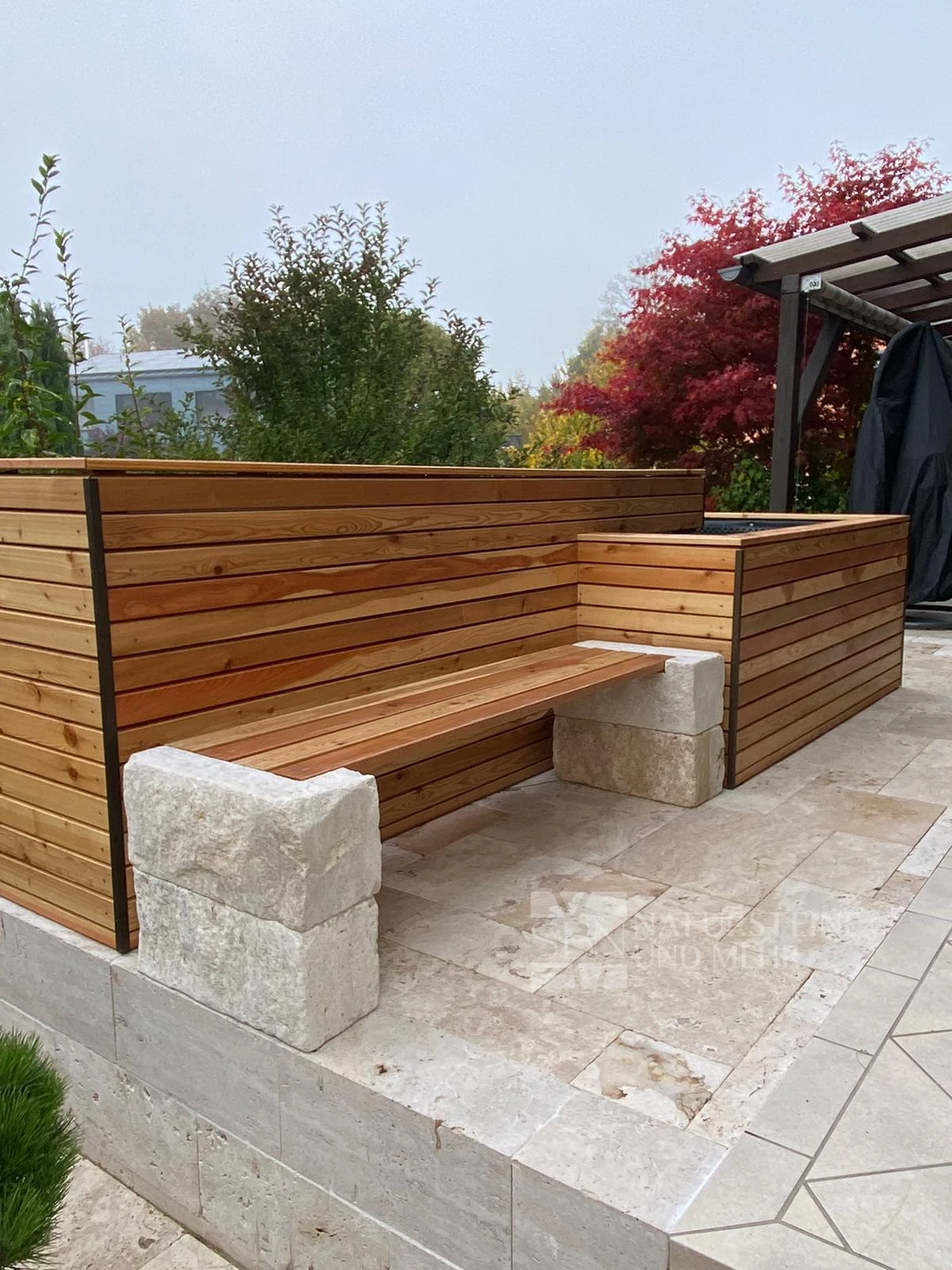
Photographs and samples
A photograph helps establish an idea, but colour changes with lighting and moisture. Base the final choice on real samples. If sharing photographs of your own project, use images you have permission to publish.
Your next step
- Compare actual surfaces and pore structures.
- Confirm suitability for the planned location.
- Choose a compatible cleaning routine without unsuitable acids.
Tell us the dimensions and intended use. For delivery, include the country, postcode and access details.
Discuss your project with us →Products for this project

Related collections
Compare products and formats for your project.