SBN
Understanding and comparing stone Explore garden ideas, compare stones and prepare for installation and ongoing care.
Garden ideas and projects Inspiration for terraces, garden spaces and outdoor seating.
9 articles ↗ Installation and planning Prepare the base, laying pattern, joints and delivery.
5 articles ↗ Care and cleaning Clean natural stone and choose suitable protection.
3 articles ↗ Understanding and comparing stone Stone varieties, colours, finishes and technical properties.
13 articles ↗ Choosing your stone Find the right product and format for your project.
6 articles ↗ Illustrations introduce the topics; they do not depict specific products or completed projects.
13 articles
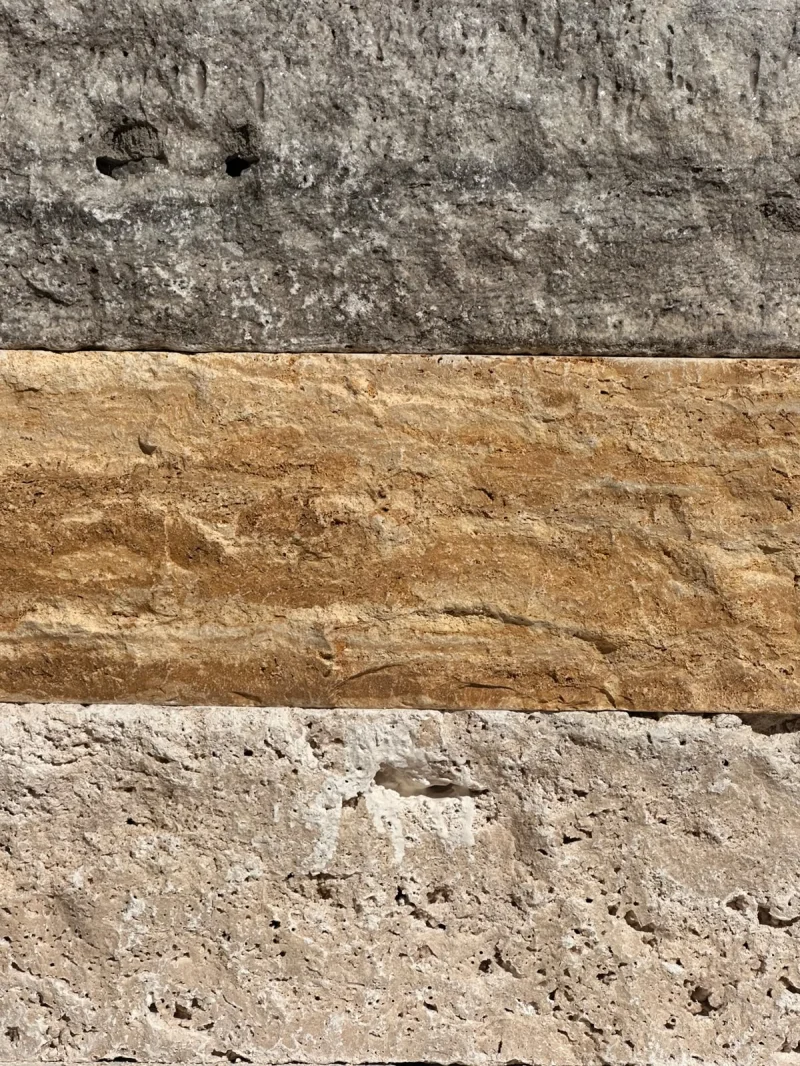
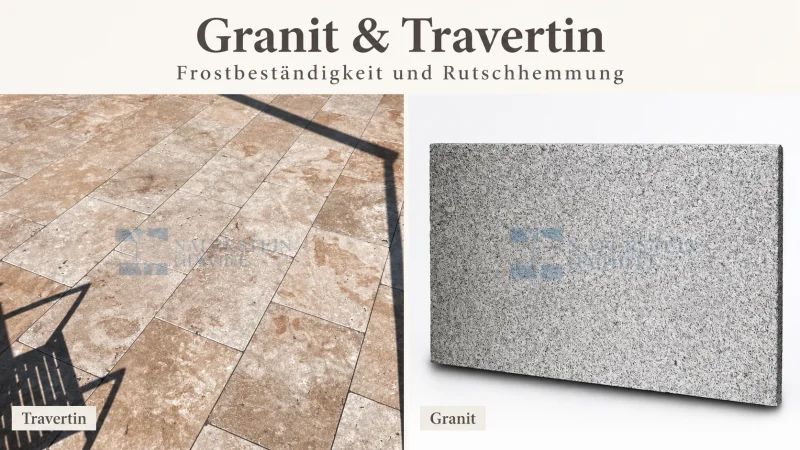
Understanding and comparing stone Travertine belongs to the limestone family. The two names do not describe completely unrelated materials, though individual products can look and perform very differently.
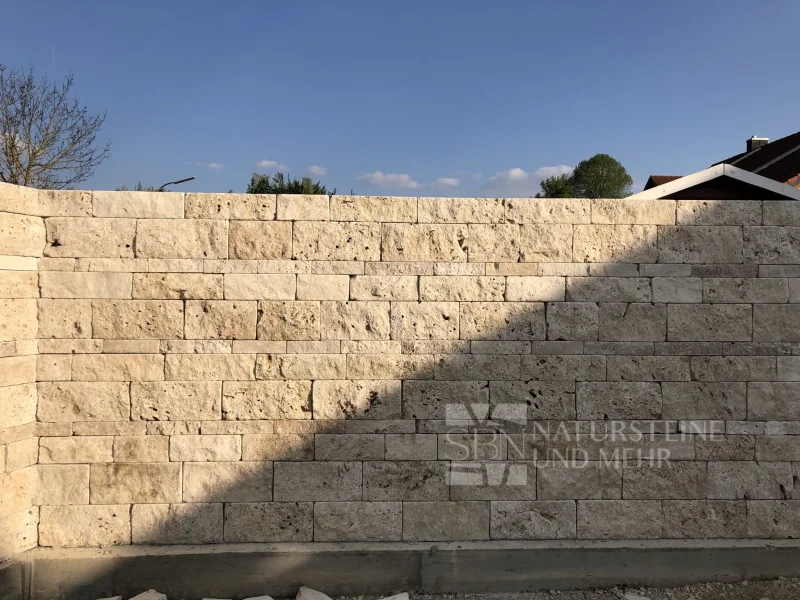
Read more → Understanding and comparing stone Wall colour influences the character of the whole garden. Compare it with paving, the façade and timber in real daylight.
Read more → Understanding and comparing stone A test report is useful when the sample and finish are clearly identified. Its results should not automatically be applied to an entire product range.
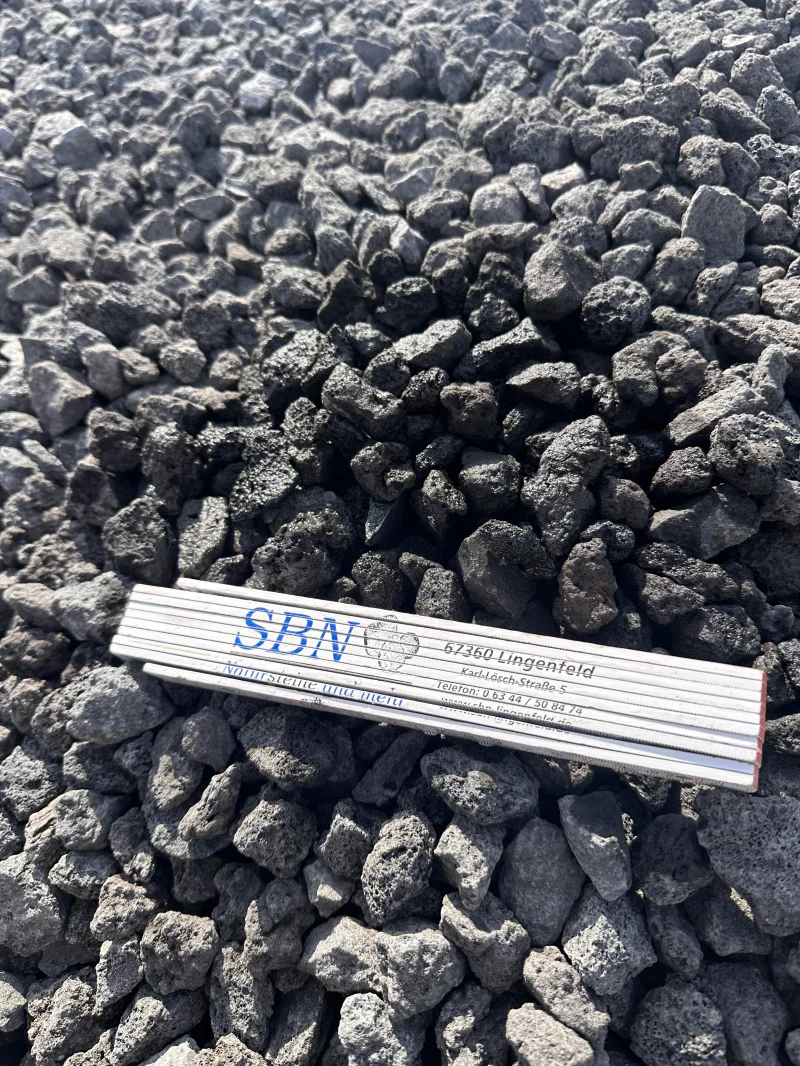
Read more → Understanding and comparing stone Lava mulch is mineral, while bark is organic. Choose according to the plants, soil, maintenance and appearance you want.
Read more → Understanding and comparing stone Crystal size mainly changes the appearance of granite. It is not, on its own, a ranking of quality or durability.
Read more → Understanding and comparing stone Sandblasting describes a surface treatment. Format, edge detailing and demonstrated suitability for the intended use also matter.
Read more → Understanding and comparing stone Choose paving, steps and edging together. The same trade name does not guarantee an identical appearance in batches ordered years apart.
Read more → Understanding and comparing stone Country of origin is not a quality ranking on its own. Compare the particular stone, processing, dimensions and documentation.
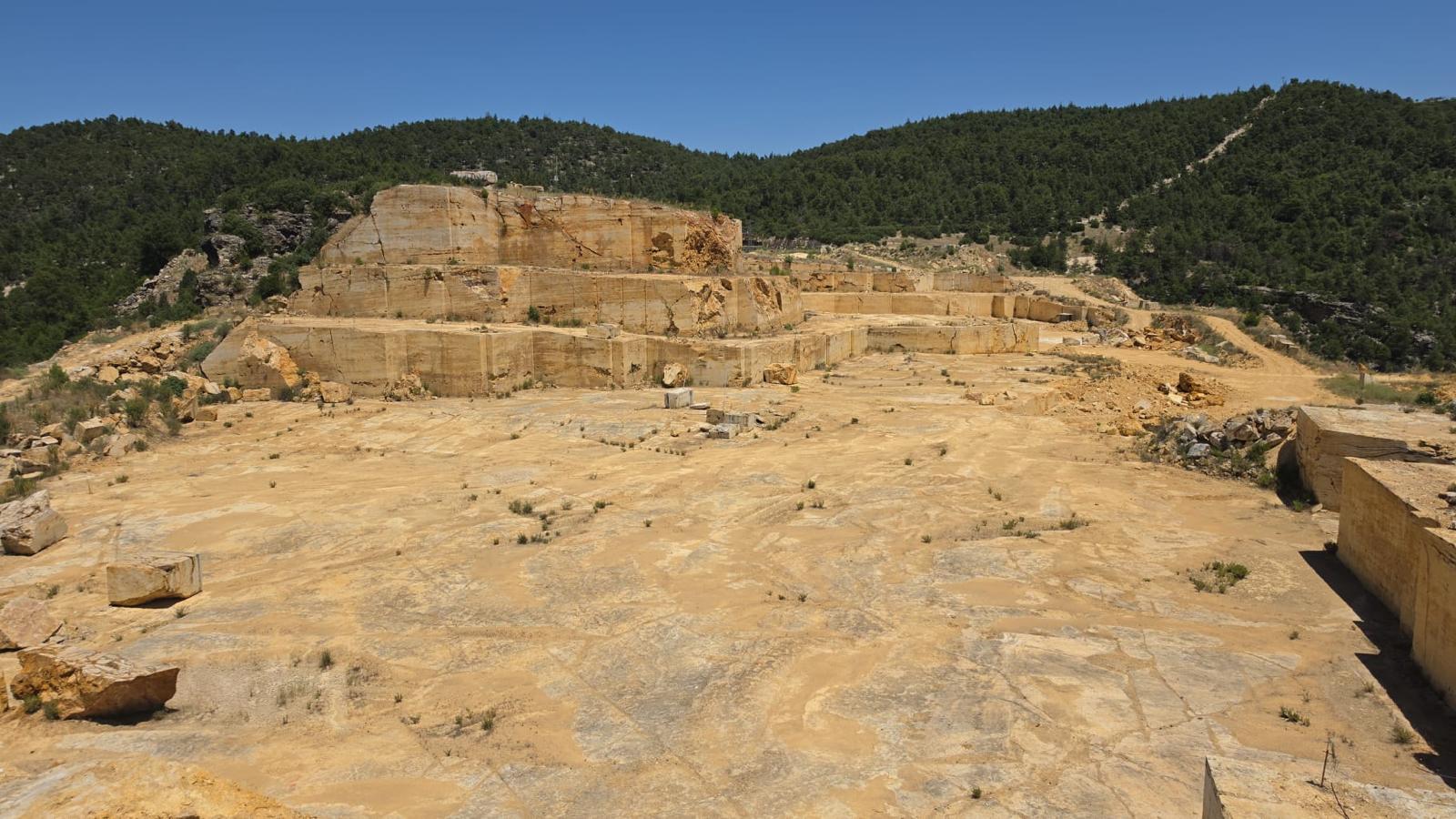
Read more → Understanding and comparing stone Denizli is known for travertine, and Pamukkale shows its formation in the landscape. Building stone must still be selected by its particular source and product specification.
Read more → 1 2